
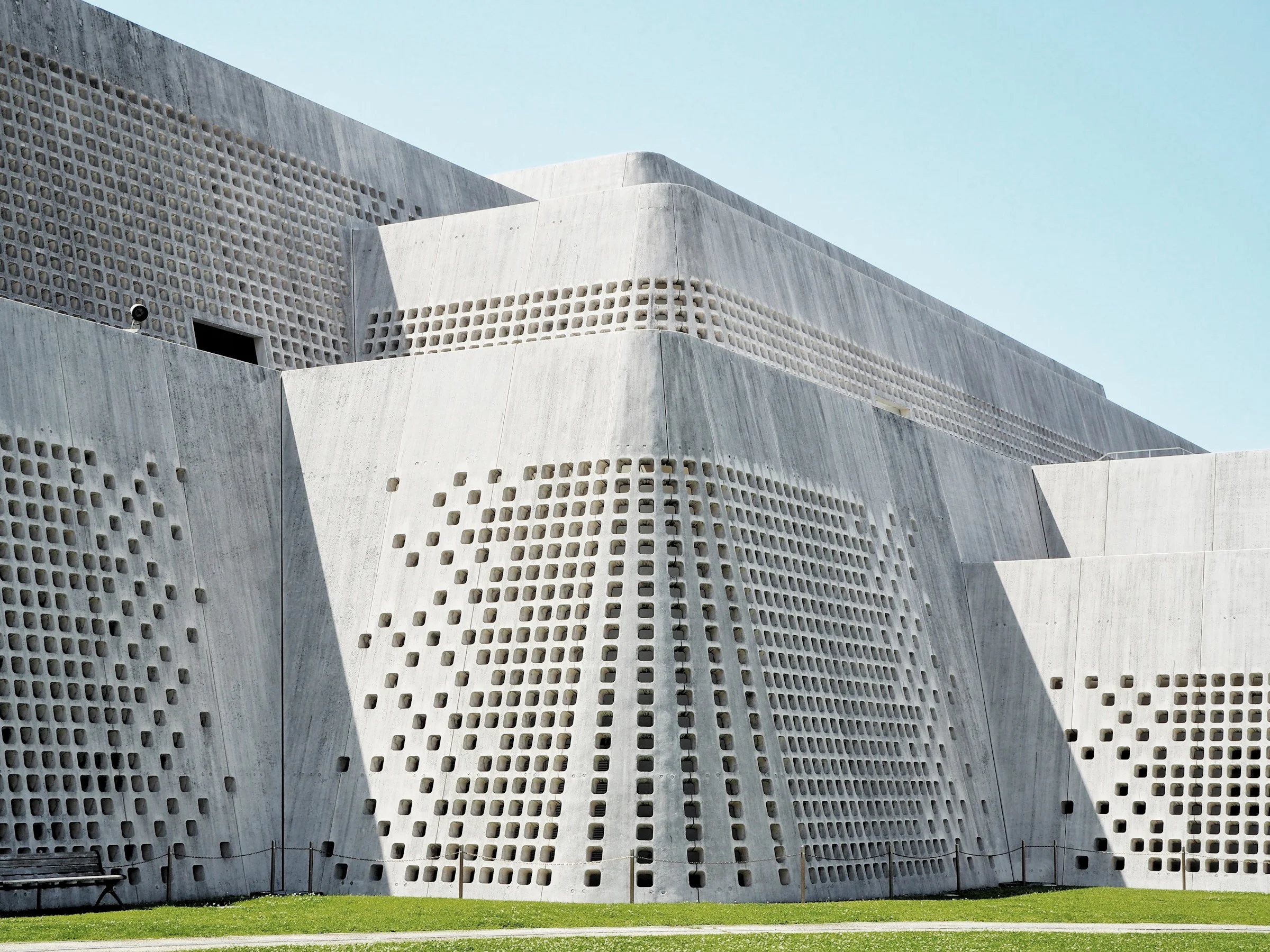
Learning from local resources, construction technologies, and the challenges of environmental responsibility
In June 2026, our founding principal, Junko Yamamoto (RISD Architecture), led a RISD Summer Studies program, Tropic Future: Material Ecologies of Okinawa, in Okinawa, Japan. Through visits to traditional and contemporary architecture, craft workshops, material producers, and construction sites, students investigated the relationships among local resources, material technologies, cultural practices, and the subtropical environment.
The program followed another RISD travel course in Ghana in January 2026. Together, the two experiences offered opportunities to reflect on the environmental responsibility of architectural practice across distinct cultural, social, and economic contexts.
Student work, photographs, and documentation
RISD Article
[ Reflections by Junko Yamamoto ]
Learning from Okinawa's Material Ecologies
In Okinawa, we explored a wide range of traditional and contemporary material practices, from textiles to architecture.
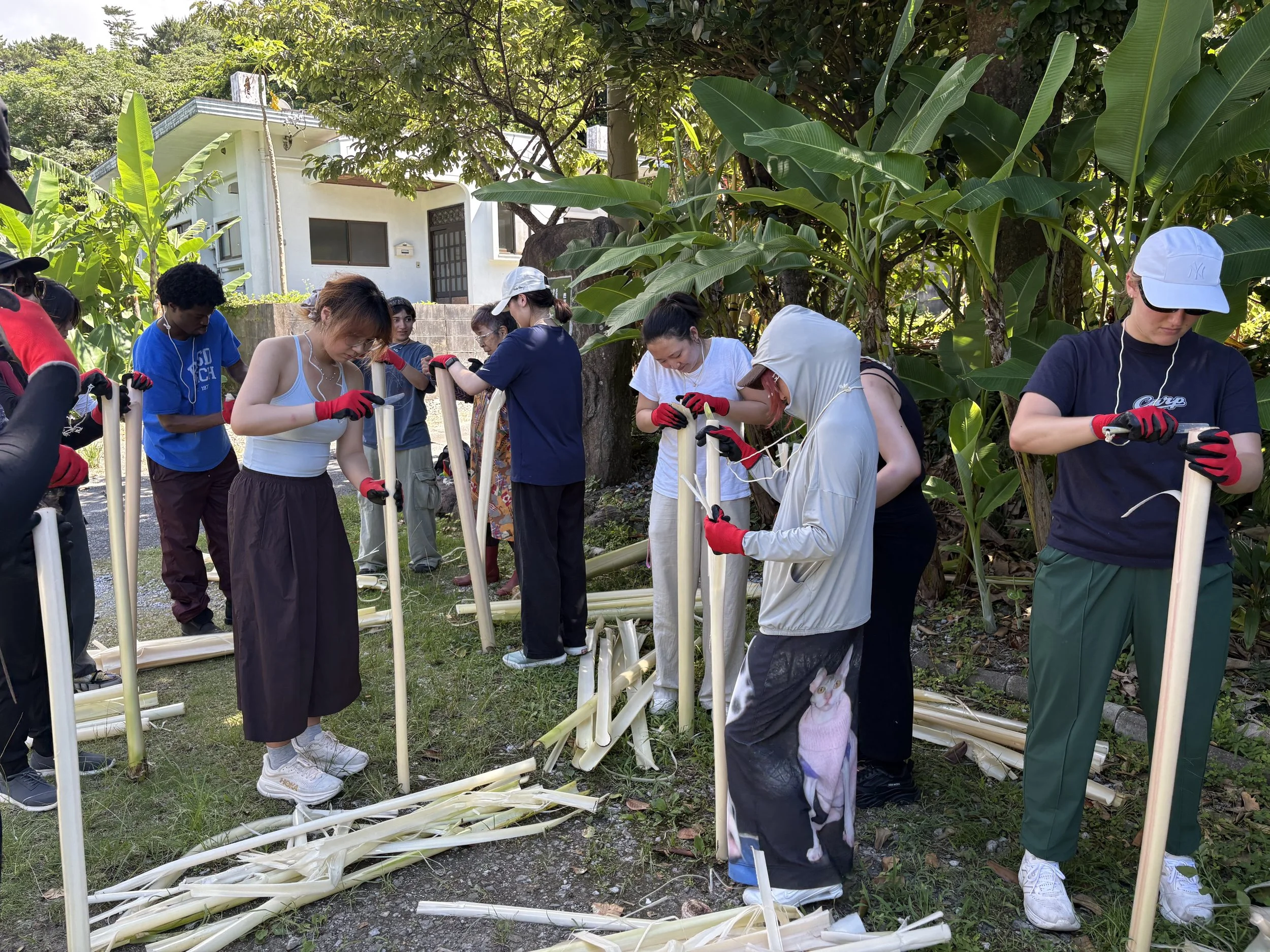
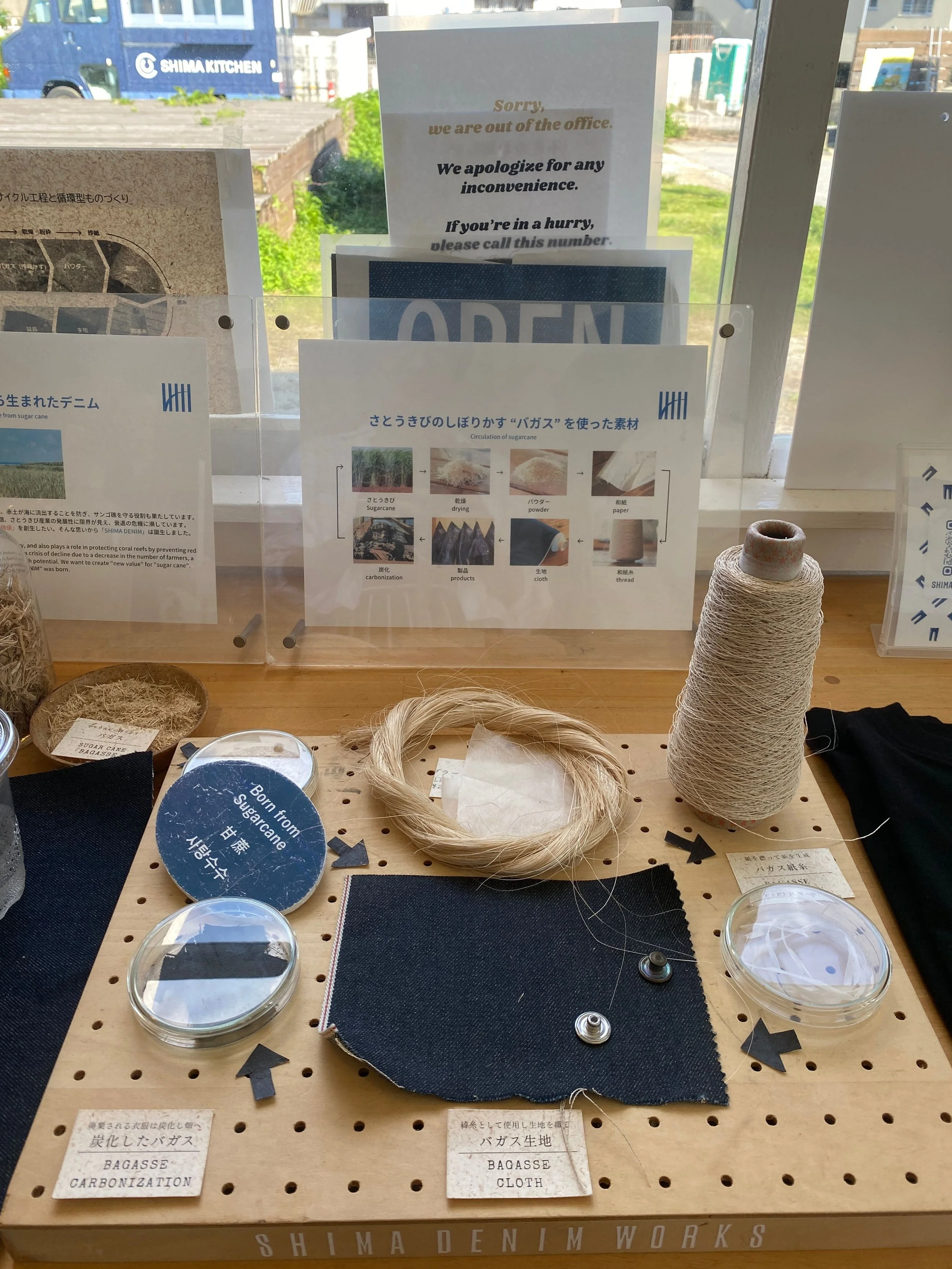
We learned about bashōfu, a traditional textile woven from fibers extracted from banana plants, and visited contemporary producers experimenting with agricultural by-products, including pineapple leaves and sugarcane bagasse. It was inspiring to see how locally available resources, traditional knowledge, and contemporary technologies could generate new material possibilities.
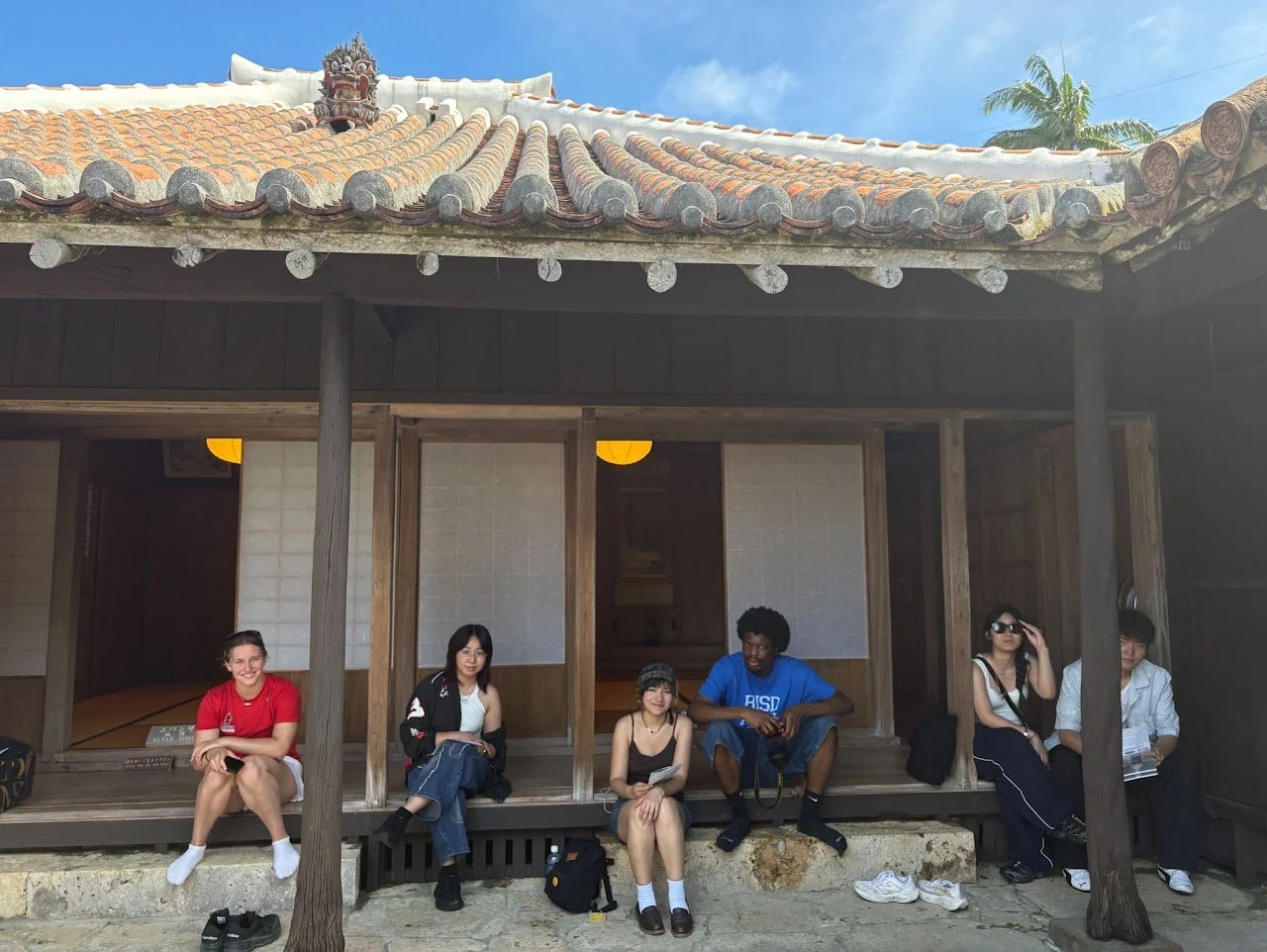
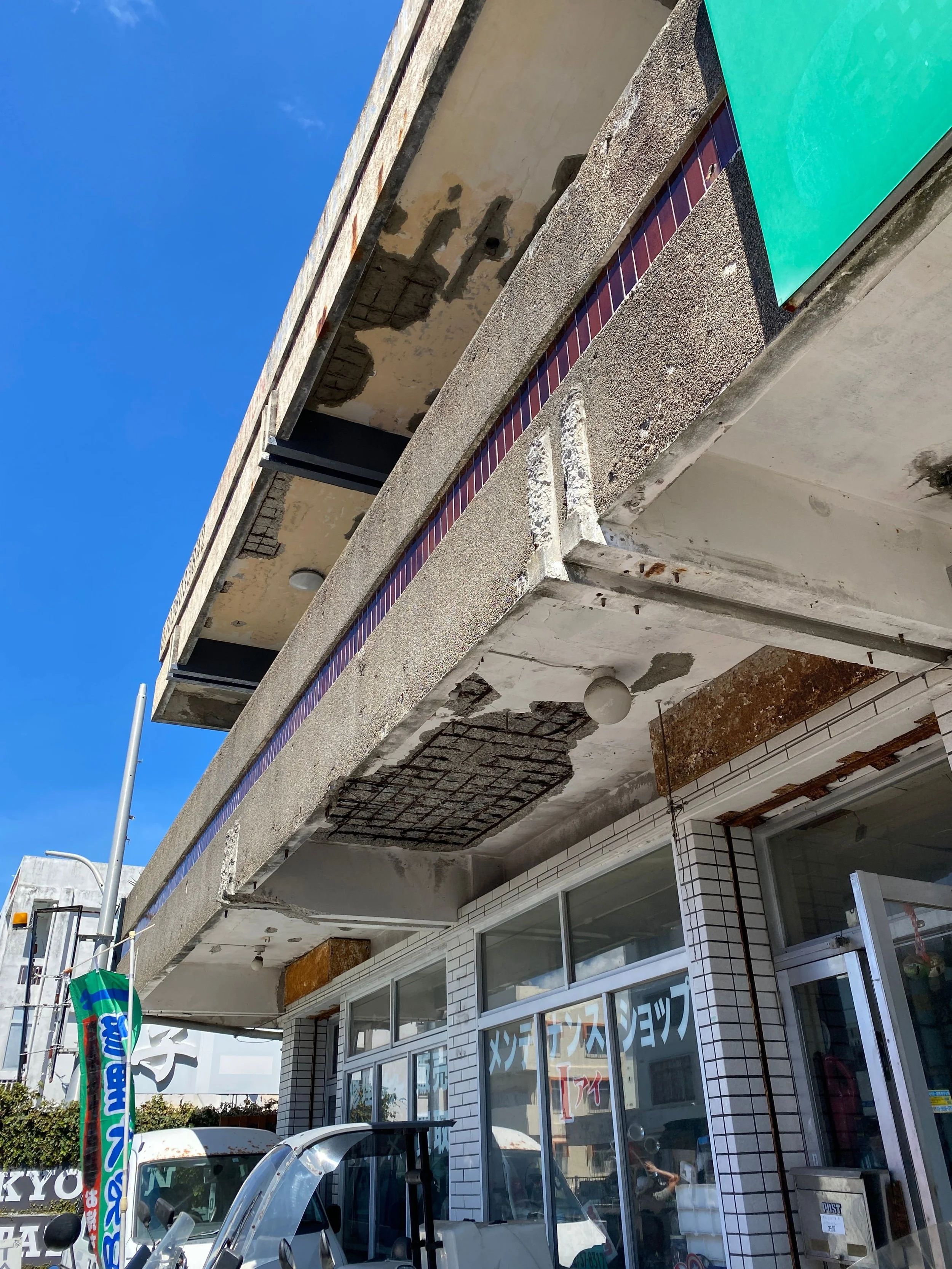
In architecture, we experienced the comfort and beauty of traditional wooden buildings, whose open structures, spatial arrangements, and red-clay roof tiles reflect generations of adaptation to Okinawa's subtropical climate. In contrast, many modern concrete buildings face challenges of weathering and deterioration, including corrosion of steel reinforcement caused by the coastal environment.
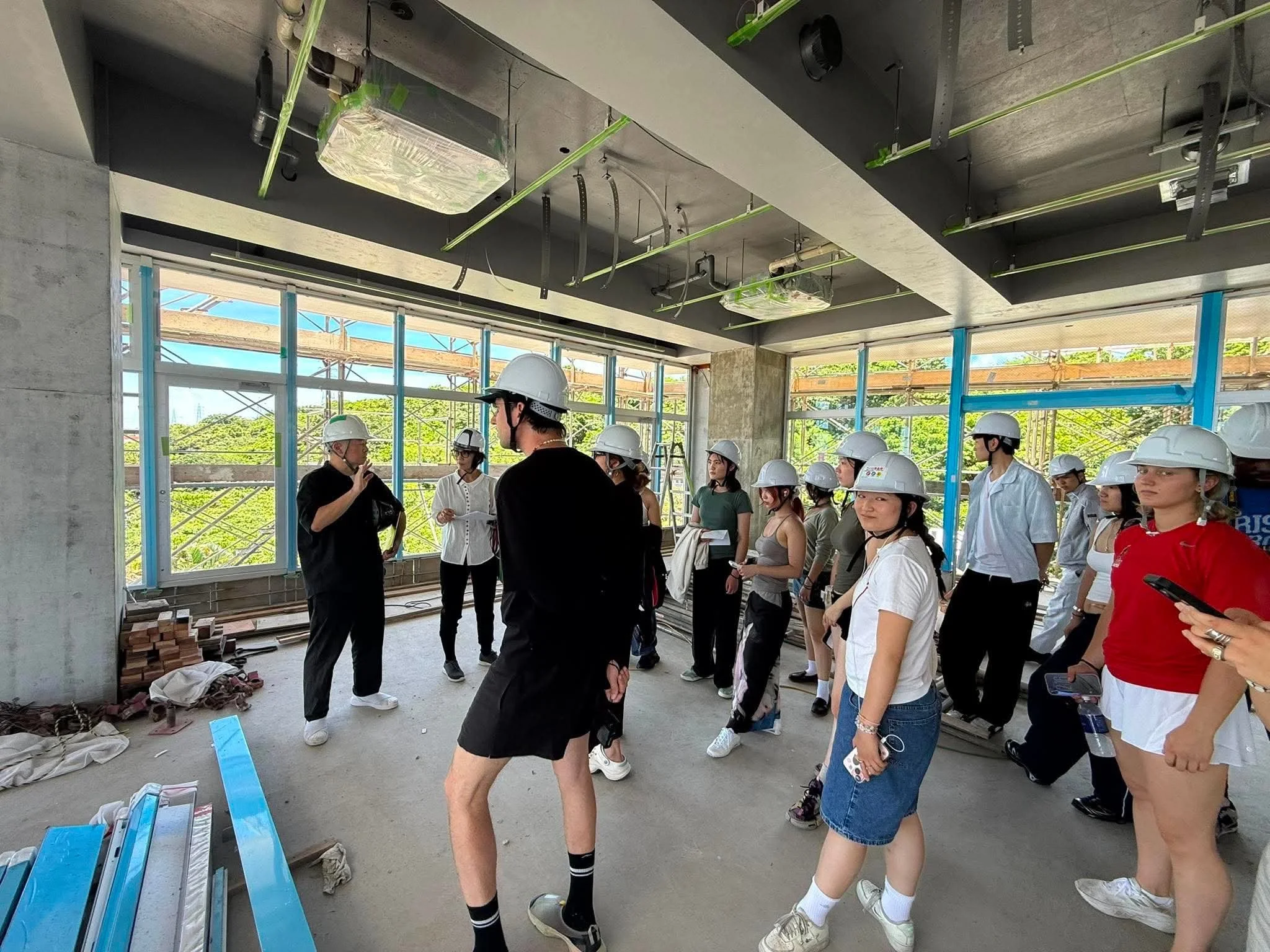
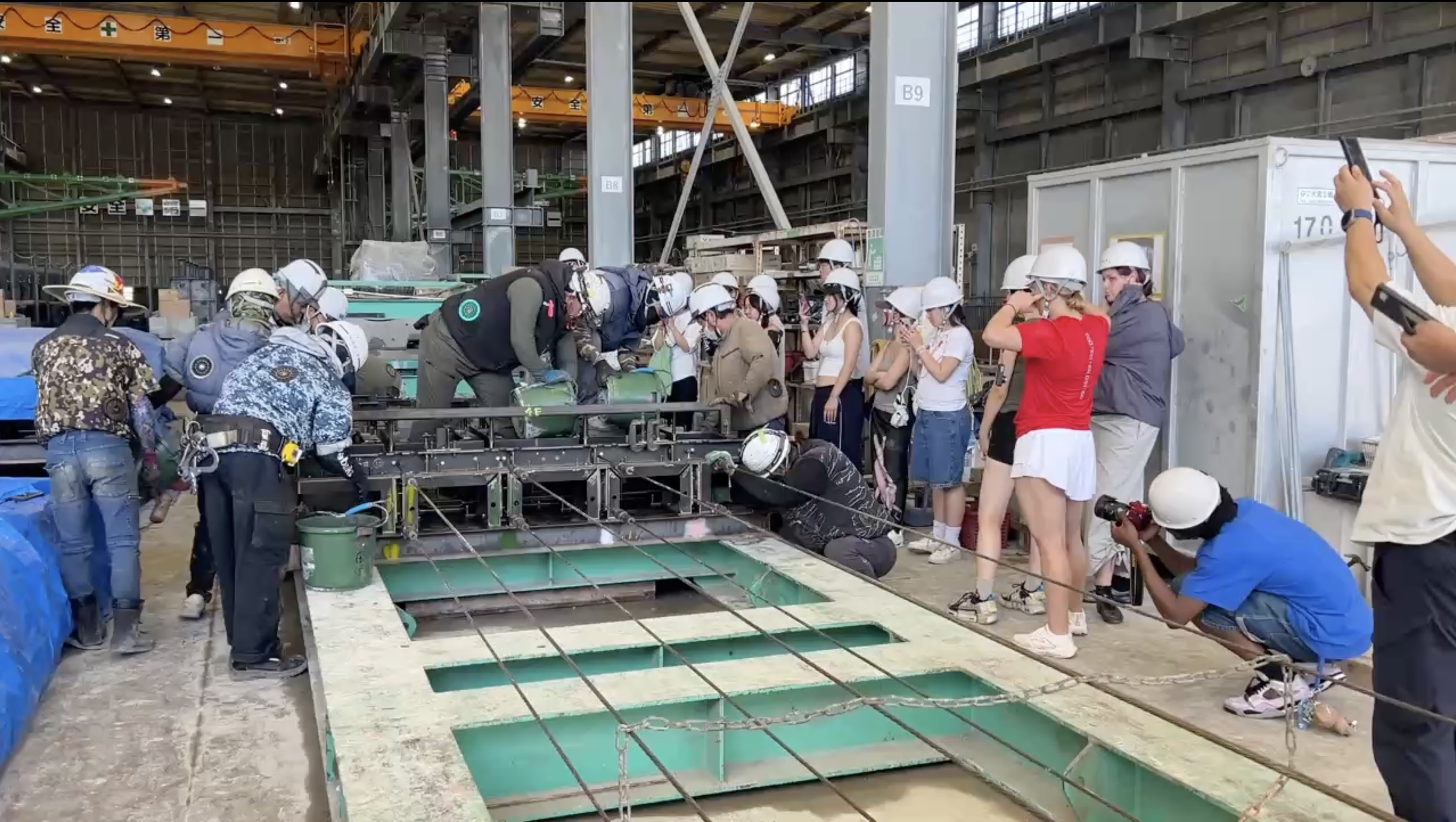
Our visit to a factory and construction site using Hybrid Prestressed Concrete (HPC), developed in Okinawa, offered another perspective. By replacing conventional steel reinforcement with carbon-wire tensioning elements, HPC allows the fabrication of remarkably thin, lightweight concrete panels without the same risk of reinforcement corrosion. Its potential applications include exterior shading screens and other building-envelope elements exposed to harsh environmental conditions.
While concrete raises significant environmental concerns, particularly because of the carbon emissions associated with cement production, HPC demonstrates how reconsidering an established material through engineering and fabrication technologies can expand its architectural possibilities.
The experience left me with more questions about concrete, but also a greater appreciation for how environmental challenges can prompt us to reconsider familiar materials and their architectural possibilities.
Two Places, Shared Challenges
The Okinawa experience also prompted me to reflect on our earlier fieldwork in Ghana.
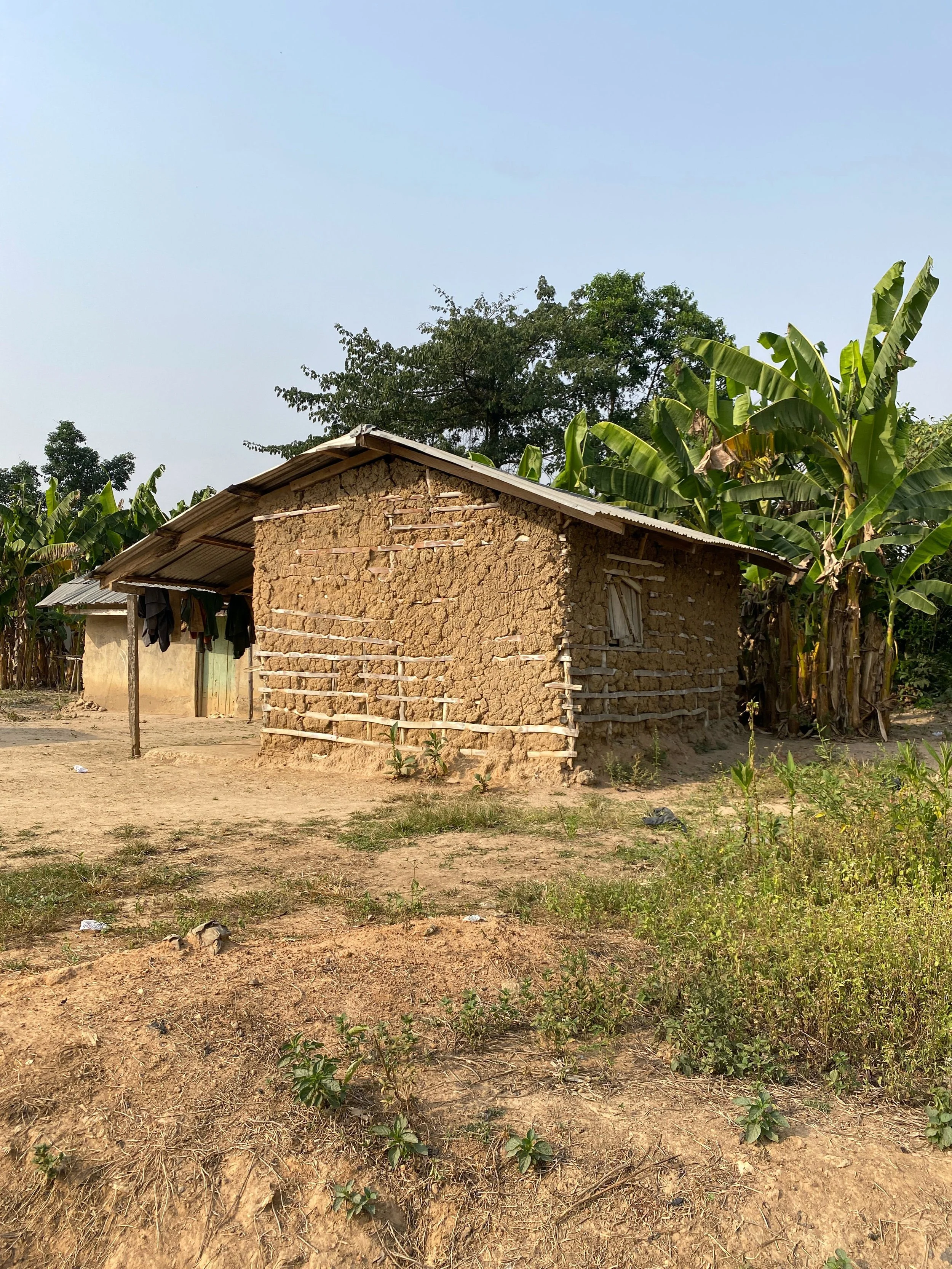
In Ghana, we studied traditional earth construction and its climatic advantages, while observing the widespread use of concrete and masonry blocks in contemporary buildings. In some cases, these modern construction practices appeared to give insufficient consideration to passive cooling and indoor thermal comfort.
Material choices, however, are influenced by more than environmental performance. Earth construction can carry associations with poverty, while concrete and masonry may represent modernity, durability, and economic progress.
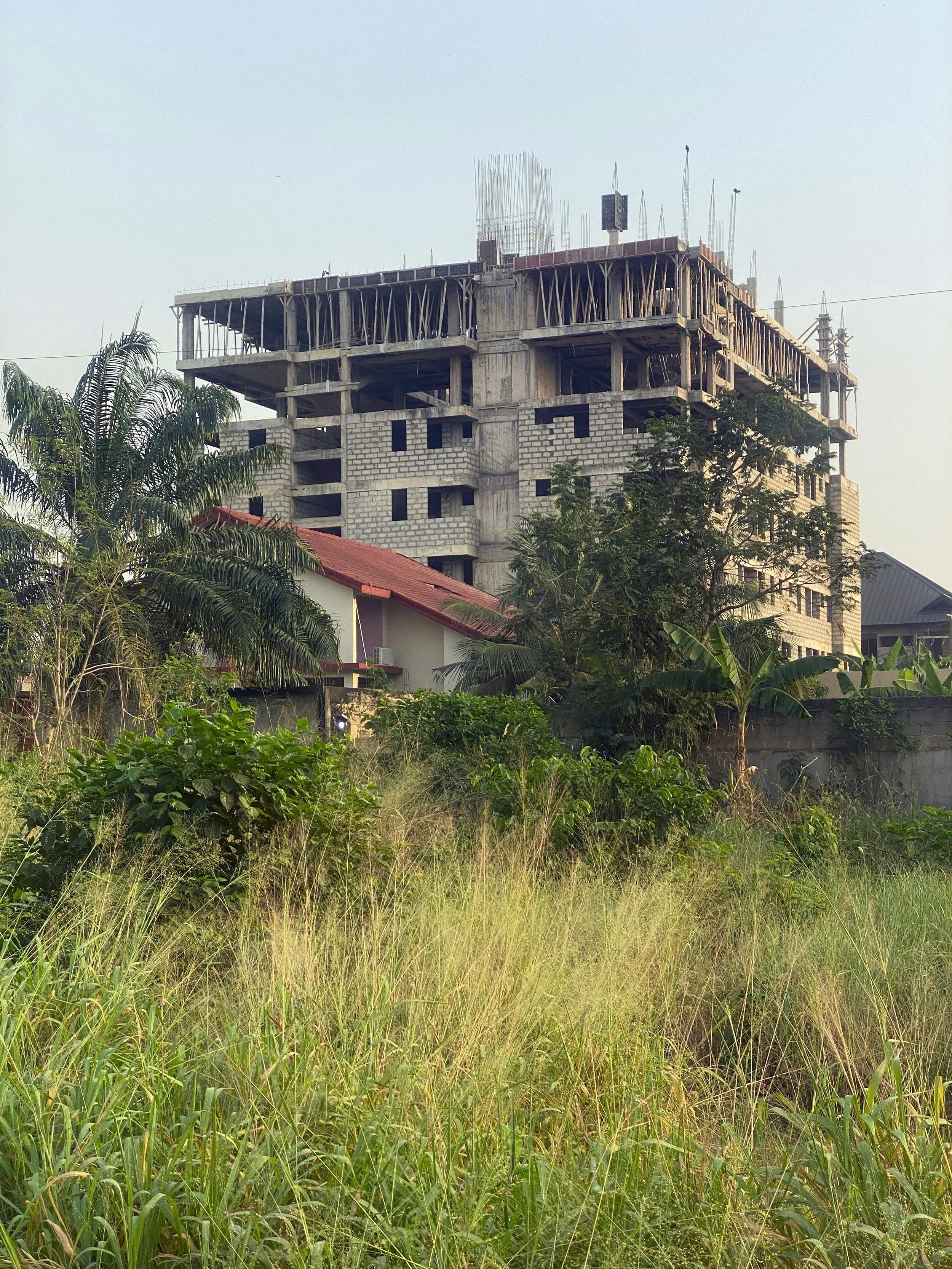
In Okinawa, concrete has its own cultural and historical significance, particularly in relation to typhoon resistance. There, we encountered manufacturers, engineers, and architects actively developing ways to address the environmental challenges associated with concrete construction.
The comparison helped me recognize another critical dimension of sustainable architecture: the systems required to implement it.
A technology such as HPC depends on specialized engineering, precise fabrication, manufacturing infrastructure, and skilled construction. Proposing a comparable approach in Ghana would require not only design ingenuity but also collaboration among manufacturers, contractors, educational institutions, communities, and government agencies.
The challenge is not simply to identify environmentally responsible building materials or develop compelling architectural proposals. It is also to establish the knowledge, skills, resources, and systems that make their implementation possible.
Between Research and Practice
These experiences have made me increasingly aware of the gap between architectural research and professional practice.
Academic fieldwork offers valuable opportunities to investigate local knowledge, study emerging technologies, and question established building practices. Translating such research into built architecture, however, requires financial resources, technical expertise, collaboration, and long-term commitment.
As a small architectural practice, we recognize the difficulty of bridging this gap. Yet I believe that making the effort is essential.
Our planetary responsibility as designers is shared, but the ways we respond to it must be grounded in the particular environmental, cultural, and social conditions of each place.
The experiences in Ghana and Okinawa offered no universal solutions. Instead, they raised new questions about how materials are valued, how technologies are developed, and how architectural ideas can become viable building practices.
Looking Ahead
These experiences are beginning to inform how we approach potential projects in Ghana and Japan.
In Ghana, we have begun conversations about contributing our design expertise and sharing what we learned through fieldwork with people developing new projects in a village where surrounding communities are experiencing rapid construction, largely using concrete and masonry blocks. We hope to explore how our research and design knowledge might contribute to these local initiatives.
In Japan, our previous experience working on a renovation project in a hot-spring town, together with our ongoing research, has deepened our understanding of the distinctive environmental challenges these places face. High humidity and, in some locations, mineral-rich and corrosive conditions can affect the durability of buildings, equipment, and construction materials. We are interested in exploring how traditional materials such as timber might be combined with contemporary technologies such as HPC to respond to these conditions.
Both directions are still at an early stage. They offer opportunities to continue asking how knowledge gained through field research might inform architectural proposals - and eventually contribute to their realization.
Through continued research, collaboration, and design, we hope to bring what we learn in the field closer to the realization of architecture.